
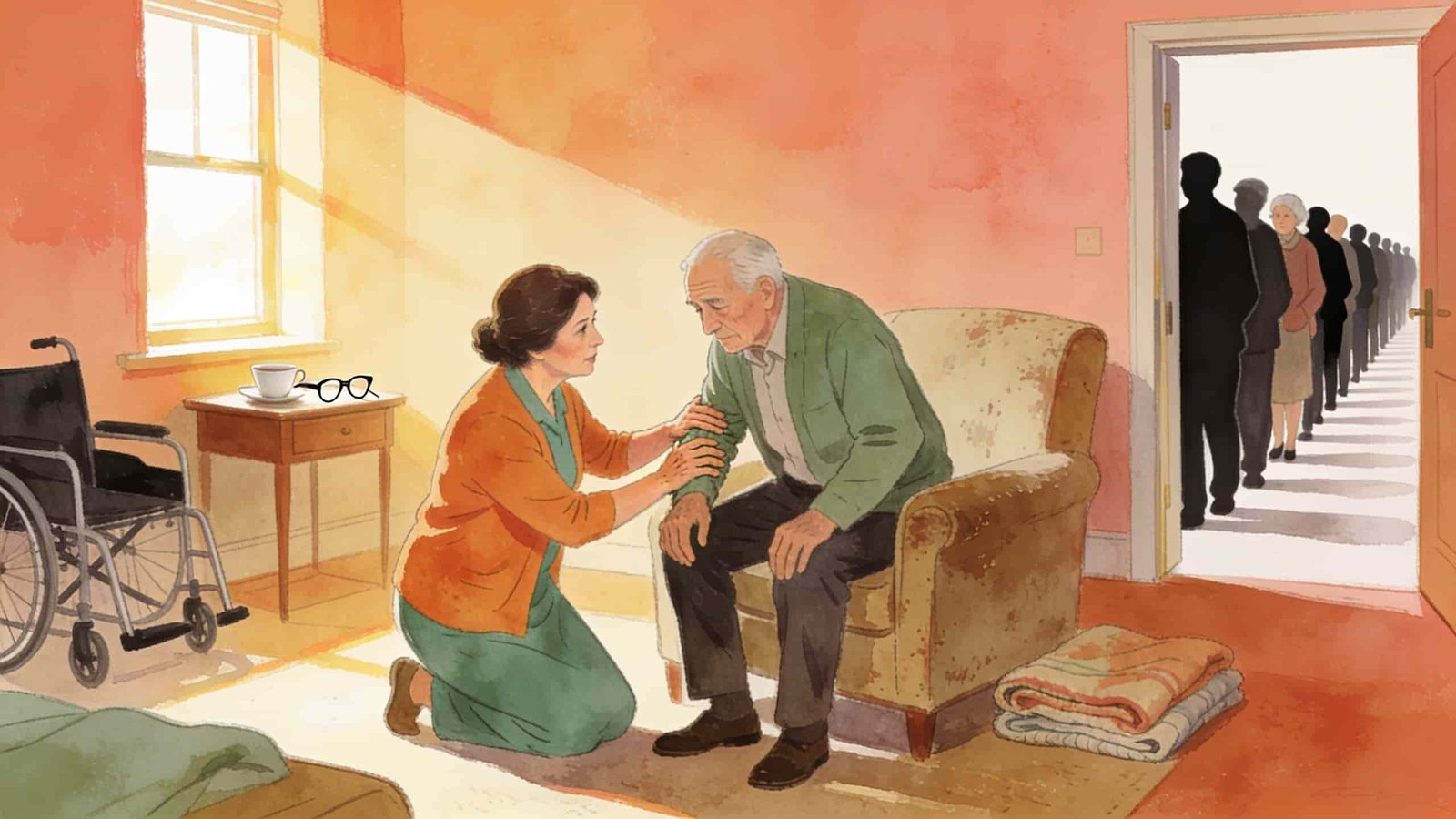
Home Health and Personal Care Aide Jobs: US Hiring Surge Explained
My aunt spent four months trying to find someone reliable to help my grandmother after her hip surgery. Every agency she called said pretty much the same thing, we have more clients than caregivers right now. One agency actually told her the wait list was six weeks long, just for a few hours of daily help.
That’s when I actually sat down and looked into what’s going on in this industry instead of assuming caregiving jobs were like any other entry level gig. Turns out there’s a real, well documented hiring surge happening. And it doesn’t look like it’s slowing down anytime soon.
So if you’re thinking about this field, whether you need a job or you’re trying to hire someone for a family member, here’s what I’ve learned digging through the numbers and talking to people who actually do this work.
Why Everyone Suddenly Needs a Home Health Aide
Short version, people are living longer and more of them want to stay in their own homes instead of moving into a facility.
The Bureau of Labor Statistics lumps home health aides and personal care aides together under one job category, and honestly the numbers are kind of wild. Employment in this category is expected to grow somewhere around 17 to 21 percent over the next decade depending on which projection you’re looking at, and the O*NET occupation profile breaks down the exact tasks and skill requirements if you want the granular version. Compare that to most jobs in the US, which grow maybe 3 to 5 percent over a similar stretch. This isn’t a modest bump, it’s one of the fastest growing job categories the government tracks.
On top of that growth:
The BLS expects something like 700,000 to 765,000 openings every year, on average, for the next ten years. And a lot of those openings aren’t even coming from new demand, they’re coming from people leaving the field for other jobs or retiring out of it. Turnover in this industry is high. Which basically means agencies are hiring constantly, not just once in a while.
I also stumbled across data showing home care aides became the single largest occupation group in the entire US labor market a couple years back, ahead of retail workers, ahead of fast food. That one surprised me when I first read it, and the BLS Employment Situation reports track this month to month if you want to follow along yourself. CareerOneStop, which is run by the Department of Labor, also lets you look up local demand and average pay by zip code, which was more useful to me than any of the generic national articles floating around.

What’s Actually Driving the Demand
A few things are stacking up at once here.
The baby boomer generation is aging into the years where they need daily help. The Administration for Community Living publishes a lot of the underlying population data on this if you’re curious how fast the numbers are climbing. This isn’t a temporary blip either, it’s a demographic wave that’s going to keep building for another 10 to 15 years at least.
Hospitals are discharging patients faster than they used to. Insurance pushes for shorter hospital stays, so more recovery happens at home now, which means more people need someone checking on them, helping with meds, or assisting with basic stuff like bathing and meals. The Medicare hospital discharge planning page explains how that transition from hospital to home is actually supposed to work if you’ve never dealt with it.
More families are choosing home care over nursing homes. After everything that happened in care facilities during the pandemic years, a lot of families got nervous about group living situations for elderly relatives. Home care just felt safer, even if it’s more of a logistical headache. The National Institute on Aging has some decent, plain language guides for families weighing that decision, and AARP’s caregiving section covers a lot of the practical side too, things like how to talk to siblings about splitting responsibilities.
Medicaid and other programs are expanding home based care coverage in a lot of states. Medicaid.gov has a breakdown of which home and community based service waivers exist state by state. And when there’s funding behind something, agencies expand and start hiring more aggressively. Simple as that. The Genworth Cost of Care Survey is also worth a look if you want to see how much families are actually paying out of pocket where Medicaid doesn’t cover it.
What I Learned Trying to Understand the Pay Situation
Here’s the part that isn’t as rosy though. Median pay for this work sits around $34,000 to $36,000 a year nationally based on the most recent wage data I could find, and you can pull up exact numbers for your own state on the BLS Occupational Employment and Wage Statistics page. Hourly rates hover around $17.
Not bad for entry level work with no degree needed, but it’s also not a wage that easily supports a family in most cities these days, especially with how much living costs have moved in the last few years. The MIT Living Wage Calculator is a decent gut check if you want to see how that $17 an hour actually stacks up against real costs in your specific county.
Something else I noticed digging through older data, wages actually went up faster during the pandemic years because of temporary funding boosts, then cooled off once that funding dried up. A lot of the more optimistic wage claims floating around online are a few years stale at this point.
Honest way to think about it, high demand doesn’t automatically mean high pay in this field. Groups like PHI National, which researches the direct care workforce specifically, have been pushing on this wage gap for years if you want to read more on the advocacy side, and the National Domestic Workers Alliance has been running similar campaigns aimed at private household caregivers specifically.
How to Actually Get Into This Field (Step by Step)
If you’re seriously thinking about this as a career move, here’s roughly how it works based on what I’ve pieced together from state programs and people who’ve actually gone through it.
Step 1: Check your state’s specific requirements:
Every state does this a little differently. Some require a formal, state approved training program before you can even apply for entry level jobs. Others just let agencies train you on the job. Your state’s health department site or Medicaid office page usually spells this out, and the Eldercare Locator run by the federal government can point you toward your local Area Agency on Aging for specifics too.
Step 2: Complete a training program if it’s required:
These usually run somewhere between $500 and $2,500 and take about 3 to 6 months if you’re doing it part time. Community colleges and vocational schools often offer them, and some home care agencies will cover the cost if you commit to working for them afterward. The National Association for Home Care and Hospice keeps a list of approved training resources by state, and the Red Cross nurse assistant training page is a starting point in states where their program is recognized.
Step 3: Pass the competency evaluation:
Most states want a written and practical skills test before you get listed on the registry. It’s not meant to be scary, it just confirms you know the basics, safe transfers, hygiene help, recognizing warning signs in a patient.
Step 4: Get listed on your state registry:
This is what actually makes you hireable by licensed agencies. Skipping this step is one of the more common mistakes people make when they’re eager to start earning right away.
Step 5: Apply through agencies, not just job boards:
Big names like BAYADA Home Health Care, Addus HomeCare, and Help At Home are hiring constantly in most regions. Calling their local office directly, or applying through the agency site, usually gets a faster response than tossing your resume into a general job board where it sits in a pile with hundreds of others. That said, sites like Indeed and Care.com are still worth checking for smaller, independent families hiring directly rather than through an agency.
Mistakes People Commonly Make
Assuming every agency is basically the same. Pay, mileage reimbursement, scheduling flexibility, benefits, all of it varies a lot even between agencies in the same city. Worth calling two or three before you commit to one. The Home Care Association of America has a member directory that’s a decent way to find licensed, vetted agencies in your area instead of guessing off a search engine.
Underestimating the physical demands. Helping someone transfer from a bed to a wheelchair, or assisting with mobility, that’s real physical work. People who go in expecting something closer to light housekeeping tend to burn out fast. OSHA actually has a whole home healthcare safety page covering proper lifting technique and injury prevention that’s worth skimming before your first day.
Not asking about client assignment stability. Some agencies bounce aides between different clients constantly, which gets exhausting and makes it hard to build the kind of trust that makes this job feel worth it. Others try to keep you with the same client long term. Just ask during the interview, it matters more than people think.
Skipping the background check and registry step to start faster. Some people try to work informally before getting properly certified, figuring it’ll save time.
Where This Is Heading
Nothing in the data suggests this hiring surge is a passing thing. The population getting older isn’t reversing course, and the preference for aging at home instead of in a facility seems to be getting stronger, not weaker. The National Council on Aging publishes a good yearly rundown of the trends shaping this if you want to keep an eye on where things are headed after reading this.
If anything shifts, it’ll probably be on the pay side. There’s growing political pressure in several states right now to raise minimum wages specifically for home care workers, given how essential the work has turned out to be. Sites like PHI National and the National Domestic Workers Alliance are worth following if you want to track that side of things as it develops.
So if you’re on the fence about getting into this field, my honest take after looking into all this, the job security is about as strong as you’ll find anywhere right now. Just go in with realistic expectations about the pay and the physical side of it, and pick your agency carefully instead of grabbing the first offer that comes along.